
Roof Repair Fort Worth: What to Do in the First 24 Hours of a Roof Leak

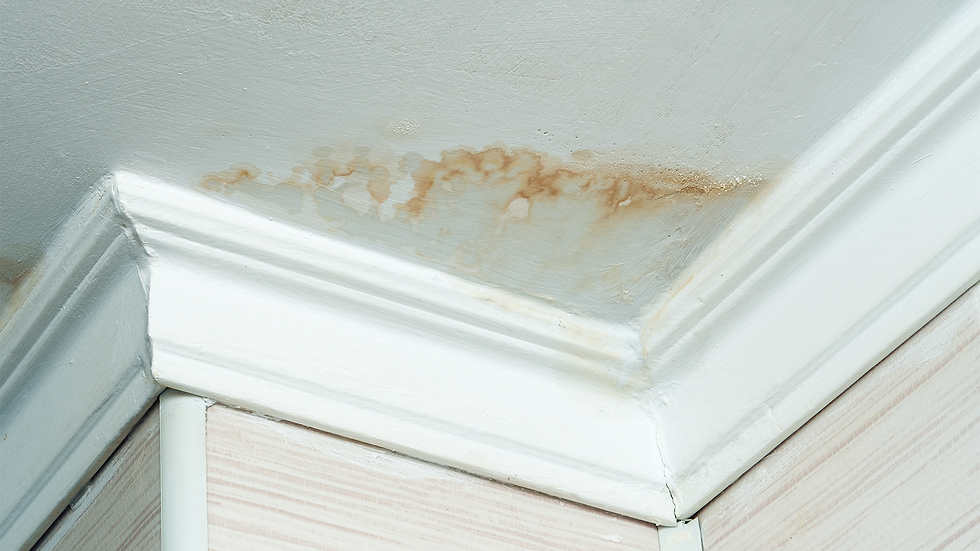
The storm moves east. The wind calms. Then you hear it—a slow drip in the hallway and notice a damp ring by the air return. You’re in Tarrant County, not a movie set. Here’s how to keep a small roof leak from becoming drywall and flooring repairs.
We’re REC Roofing—serving DFW and East Texas with free inspections, a licensed insurance adjuster on staff, and a straight-talk process. We’ll walk you through immediate steps, what pros check in Fort Worth homes, and how we coordinate if a claim is filed. This article is general information, not legal advice.
First 10 Minutes: Stop the Damage You Can See
Protect the area. Move rugs and furniture. Place a bucket or tub under the drip. Lay a towel to catch splash.
Relieve a ceiling bubble safely. If paint is sagging like a balloon, cover the floor and poke a small hole at the lowest point with a screwdriver to release water into a bucket. It’s better than letting it spread across the entire sheet of drywall.
Switch off fixtures near the wet spot. If a light can or fan is damp, turn it off at the wall and flip the breaker if needed.
Photograph everything. Wide shots plus close-ups. Include the storm date and time in your notes.
If water is coming in actively, call for same-day temporary dry-in/tarping. We prioritize leak calls.
The First Hour: Quick Checks You Can Do From the Ground
Gutters and soft metals: Dents in downspouts or box caps above bay windows often track with shingle damage above.
Attic peek (if safe): With a flashlight, look at the underside of decking, nails, and around penetrations (pipe boots, vents, chimneys). You’re looking for shiny wetness, darkened wood, or trails. Don’t walk on joists if you’re not used to attics—just look from the hatch.
HVAC & bath fans: Moist rings around can lights or bath fans after wind-driven rain usually point to a nearby flashing or cap issue.
No ladders on wet mornings. We’ll do the roof work.
What Roof Repair Pros Check in Fort Worth Homes
North Texas roofs take a beating—hail in spring, heat that bakes seals in August, and foundation movement that opens tiny gaps along step flashing at brick walls.
During a leak response, our crew inspects:
Penetrations first: Pipe boots with cracked collars, storm-bent turbine fins, and dented box vents. Hail can open rivets; heat makes old rubber collars split.
Ridge caps & hips: Sun-facing caps go brittle; wind from a north front pries at them. We look for splits and lifted nails.
Valleys: Granule troughs and improperly woven shingles are common leak points.
Wall and chimney flashing: Step flashing can separate as clay soil shifts your walls by fractions of an inch. We check for gapped steps, short counter-flashing, and dried sealant.
Fasteners and decking: On older roofs with thinner decking, nails can pull through—you’ll see raised heads or “shiners” in the attic.
Underlayment exposure: Wind-lifted shingles expose underlayment; a torn synthetic often explains a leak that appears only in heavy wind.
We photograph each finding, mark locations, and explain the plan in plain language.
Temporary Measures (What Helps vs. What Hurts)
Helpful:
Interior relief holes in bulging drywall to drain water (then a fan/dehumidifier).
Blue-tape marking of the ceiling stain edges. If the ring grows, we know the leak’s still active.
Careful attic catchment (only if safe): a plastic bin on plywood under a slow drip can save insulation and drywall.
Leave to pros:
Tarping on steep/two-story roofs. Wet granules are like ball bearings. We use fall protection and nail strips that won’t shred shingles.
Smearing mastic everywhere. Sealant is not structure. It hides problems and makes later repairs messier.
Staples through underlayment. Wrong fastener = more leaks.
When we tarp, we cap the ridge, run protection past the peak, and fasten into framing—not just shingle faces—so it rides out gusts.
What Usually Causes Leaks Here (By Frequency)
Aging pipe boots — collar cracks after heat cycles; water rides the pipe.
Ridge-cap splits — especially on south and west slopes.
Wind-lifted shingle edges — broken sealant after a cool front.
Step-flashing gaps at brick/stucco — soil movement opens hairlines.
Improper valley details — woven or closed-cut valleys done thin.
Hail-dented box/turtle vents — compromised seams and rivets.
Each has a different fix—from a $15 collar replacement on a service call to more involved ridge or valley work. We’ll show you before/after photos.
Cost & Timeline: What Drives the Numbers
We don’t guess from the curb. A written estimate follows the inspection. Here’s what affects it:
Location & access: Two-story rear slopes need more safety setup and time.
Material match: Common architectural shingles are easy; discontinued profiles require options.
Decking condition: Soft decking near the leak means a patch; we won’t fasten into mush.
Metal work: Chimneys and long sidewalls involve precise flashing.
Weather windows: Storm weeks book fast; leak calls still jump the line for temporary dry-in.
If the roof is otherwise healthy, a targeted repair may be all you need. If impacts or age are widespread, we’ll talk about broader options without pressure.
Free Local Inspection
Need roof help in Fort Worth? Talk to a local pro today.
Call 945-REC-7777 or Schedule your free inspection →
Insurance Collaboration—Simple and Neutral
We don’t adjust claims. Here’s how we assist:
Documentation: We organize photos by slope/area and provide a clear repair scope.
Scheduling: If you file a claim, we can coordinate the roof inspection with your carrier so everyone sees the same conditions.
Code items & materials: We answer construction questions so your paperwork matches what’s on the house.
Receipts: Keep emergency service and material receipts; store them with your storm notes.
Helpful reference: The Texas Department of Insurance homeowner resources explain storm recovery basics and contractor best practices (see TDI’s site for details).
This article is general information, not legal advice.
Material & Detail Choices That Hold Up in Fort Worth
Impact-rated shingles (Class 3/4): Not hail-proof, but they tend to age better through our storm cycle.
High-temp underlayment at eaves/valleys: The attic can run 30–50°F hotter than outside; lower-temp felts slump.
Starter strips & nailed ridge systems: Extra hold where wind peels first.
Balanced ventilation: Proper soffit intake with ridge or box vents keeps seals stronger and reduces cap cracking.
Open metal valleys or reinforced closed-cuts: Fewer callbacks when installed right.
We bring real samples and explain trade-offs at your appointment.
After the Storm: 12-Step Fort Worth Leak Triage Checklist
Move items, catch the drip, kill power to wet fixtures.
Relieve ceiling bubbles into a bucket.
Photograph interior and exterior indicators.
Look from the attic hatch for wet decking or shiny nail tips.
Call for a free inspection; ask for same-day dry-in if water is active.
Save receipts for any emergency purchases or services.
Don’t walk on a wet roof.
Avoid blanket mastic patches; they hide clues.
If you file a claim, note date/time and keep your photo set together.
During the inspection, ask to see ridge caps, pipe boots, and valley details.
Review a written scope with photos.
Schedule the repair window; set a reminder to recheck the stain after the next steady rain.
A Common Fort Worth Call (Short Story)
We were called to a home off Hulen after a wind shift brought rain from the north. The homeowner saw a tea-colored ring by the hallway light. In the attic, we traced the trail to a cracked pipe-boot collar—sun-baked and split on the back side. The roof was otherwise solid. We installed a new collar with a metal storm guard, replaced a few lifted shingles around the vent, and the next rain left the paint ring the same size—no growth. A small, targeted fix—no drama.
When Repair Makes Sense vs. Replacement
Repair: Leak tied to one failed boot, a short valley detail, or a few lifted shingles; roof age and granules still good.
Replacement conversation: Shingles are brittle with evenly spread granule loss, ridge caps cracked across multiple hips, or hail hits are uniform across slopes.
Either way, we map the findings and show photos so your decision is clear.
Free Local Inspection
Need roof help in Fort Worth? Talk to a local pro today. Call 945-REC-7777 or Schedule your free inspection →
Learn More
Fort Worth repair services and scheduling: /roof-repair-fort-worth
Dallas replacement overview and code-driven upgrades: /roof-replacement-dallas
East Texas service overview: /roofing-tyler-east-texas
FAQ
How fast should I address a ceiling bubble? Same day. Puncture the lowest point into a bucket to drain. Standing water spreads and cracks more drywall.
Can I tarp the roof myself? We don’t recommend it on steep or two-story homes. Wet granules are slick and fall protection matters. Call us for a temporary dry-in.
Will insurance cover my leak? Coverage depends on cause and policy. We’ll document the condition and coordinate inspections on request. We don’t negotiate claims.
Do impact-rated shingles stop leaks? They reduce damage from hail and hold up better to heat, but details (boots, flashing, valleys) still matter.
What if I only see a stain, no active drip? It still deserves an inspection. Many Fort Worth leaks appear only in wind-driven rain from certain directions.


Comments